
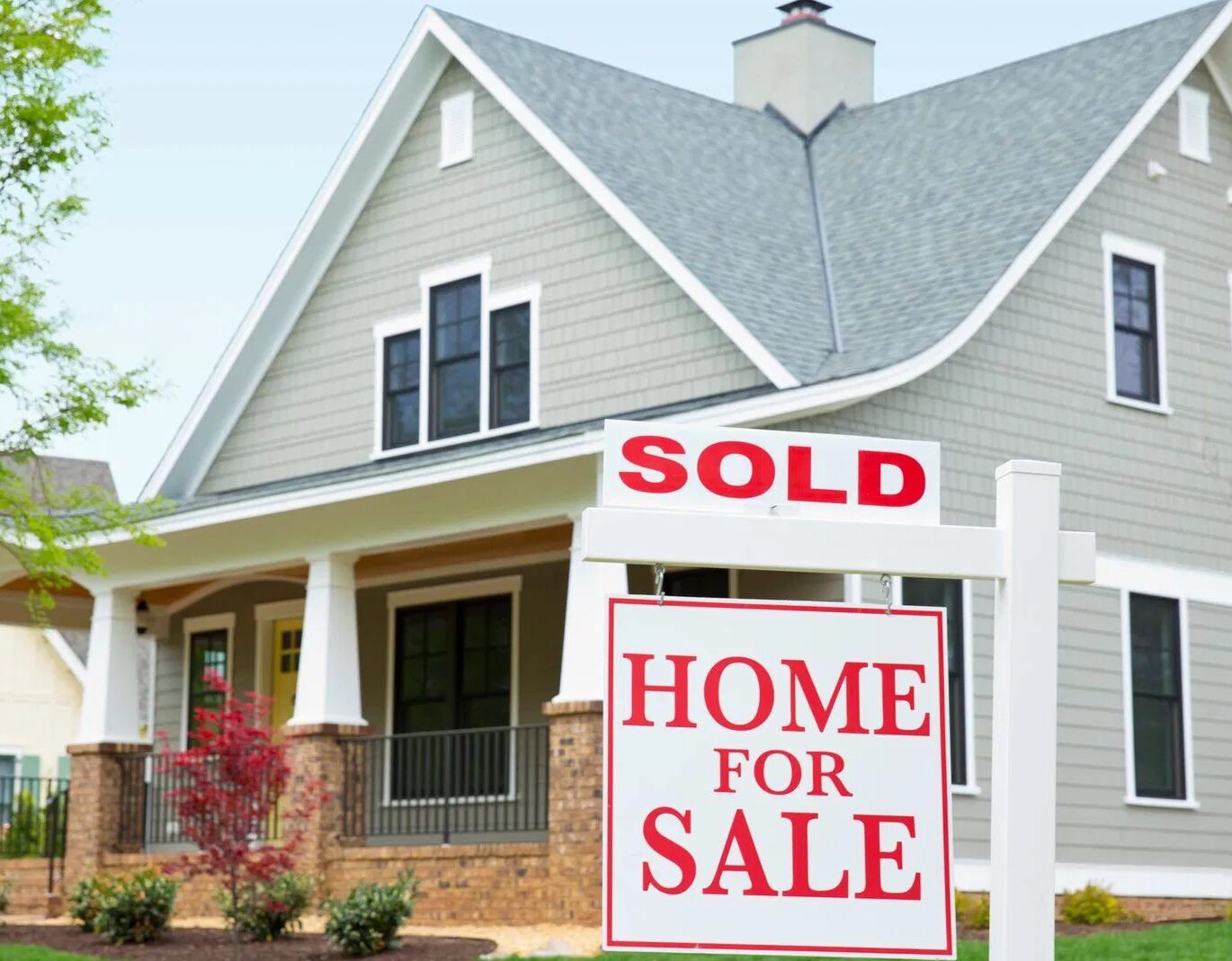
Short sales in real estate terms are when a property has an asking price that is lower than the amount owed on the property due to the current owner’s mortgage. Short sales often happen when the current owner is experiencing financial strain and needs to sell their property quickly before it falls into foreclosure. During a short sale, the proceeds go to the lender of the property. Here is more important information about short sales.
How Do Short Sales Work?
Short sales are most common during a period of the house market being down. During this time, housing prices plummet and buying a home becomes much more difficult. For instance, someone may have to sell their home for $175,000 when they still have $200,000 left to pay on their mortgage. This is called a short sale. When this happens, the mortgage lender will accept a payoff amount that is less than what is owed and forgive the remaining balance. This helps the owner with finances and helps them avoid foreclosure.
Mortgage and Short Sales
Short sales can be damaging to your credit score. However, they are not as damaging as having your home go into foreclosure. Short sales are the better option between the two. With short sales, part of the mortgage is waived. The lien is one of two parts of a mortgage that protects the lender if the borrower is not able to repay the loan. It also lets the lender sell the property so they can receive the money lost is the borrower is not able to pay. This is the part of the mortgage that is waived. The second part of the mortgage is a promise to pay. This option helps lender enforce the collection of the remaining amount that is owed. Whichever option is chosen, the short sale will be approved. Either way, the lender will get the amount that is owed.
Short sales are a good option for a homeowner who is under financial stress and cannot pay on their mortgage. It does hurt the homeowner’s credit, but it is not as damaging as a foreclosure. It helps the homeowner lift their financial issues.