
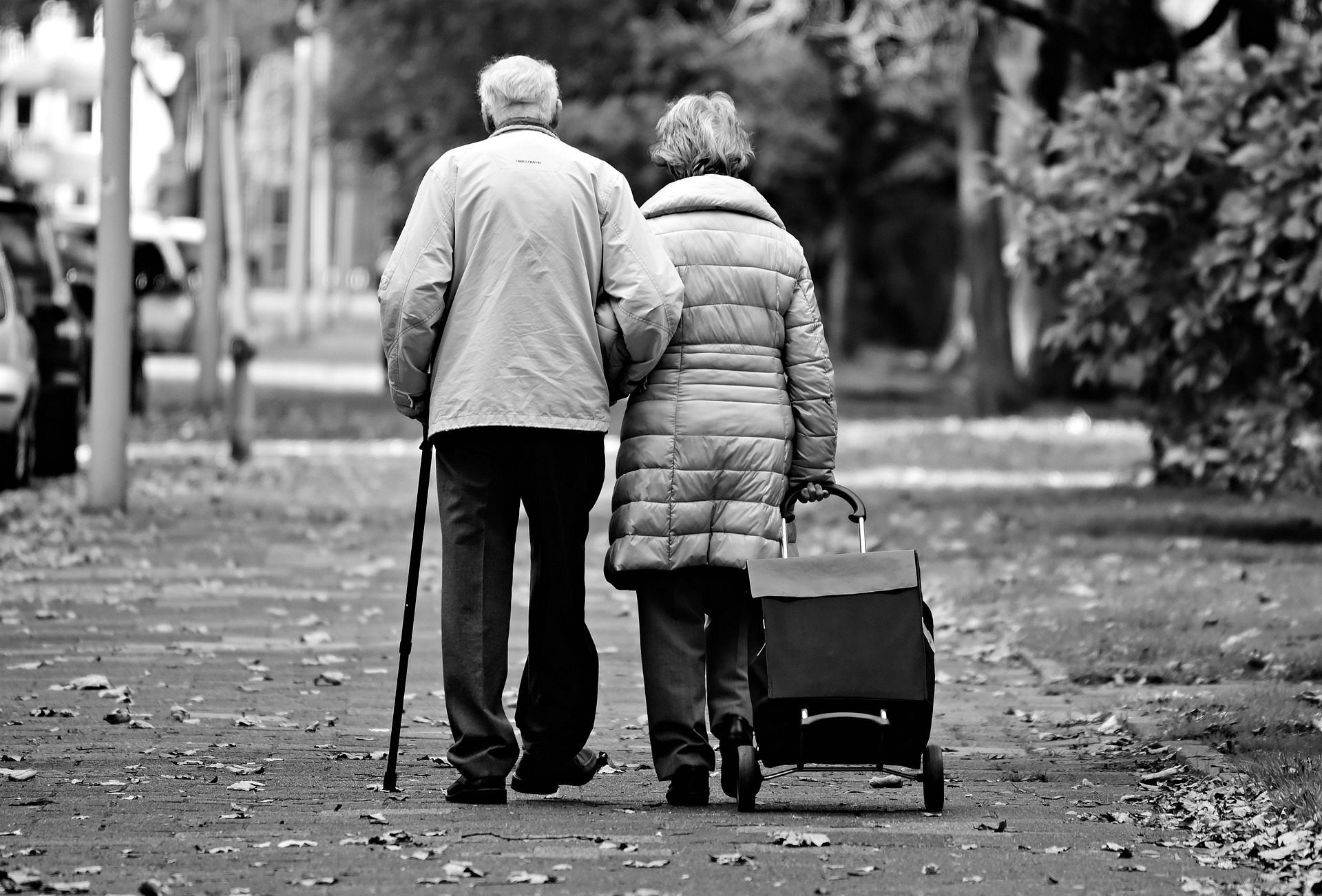
As society advances, we need to take a closer look at how we view aging. It is time to challenge the outdated narrative that aging implies frailty, dependence and a decreased quality of life. Unfortunately, this negative perception of aging is often perpetuated and reinforced by popular media. Research has shown that television programming and advertising tend to underrepresent and offer stereotypical portrayals of the elderly, which reflects poorly on their mental and social condition. Read on to learn more about transforming the narrative about aging.
Beliefs About Aging
The increasing number of older individuals in many societies has made it crucial for researchers to study media portrayals of aging. Studies have indicated that media portrayals of the elderly serve a dual function of both informing and reflecting people’s attitudes and beliefs about the aging population. Furthermore, these portrayals can greatly influence the actions that individuals take toward older people.
Negative Myths of Aging
We must challenge societal negative myths about aging and embrace the value of age diversity. Negative attitudes towards older individuals only serve to undermine their involvement in various aspects of social life. The media has a responsibility to portray older individuals accurately by providing positive and portrayals that showcase their immense potential. Studies have shown that ample, positive media portrayals of older individuals help reduce negative attitudes towards aging. Positive attitudes towards aging have a significant impact on the well-being of older adults. Promoting meaningful intergenerational contact at the individual level can also foster a more positive view of aging.
Encouraging initiatives that bring together young and old people could help create more positive intergenerational experiences. By promoting opportunities for younger individuals to work with and learn from older individuals, we can change the narrative about aging. Stimulating positive intergenerational contact is a promising way to tackle ageism. We must shift our attention towards showcasing the immense potential of older individuals and embrace age diversity. Several authors have found that suboptimal care for older patients may be related to the lack of training among health personnel.
Promote Mutual Awareness
Therefore, it is essential to design and implement strategies that educate healthcare professionals about the normal process of aging. Additionally, future aging-service planning should target both older adults and their family members to strengthen family cohesion. Educational strategies that promote mutual awareness and empathy, increase understanding of cultural differences and provide behavioral skills coaching to improve interactions can be used to promote positive interactions between younger and older individuals.
In conclusion, transforming the narrative about aging involves challenging negative stereotypes and promoting positive portrayals of older individuals through various means, including the media and initiatives. For information about options for aging in place or ADUs, contact Nechelle Robinson today!