
Ensuring that seniors can age safely at home is a top priority for many families and caregivers. Several strategies and modifications can be made to homes to reduce fall risks and improve accessibility, allowing older adults to maintain their independence and quality of life. Read on to learn how to boost home safety for aging at home.
Fall Risks
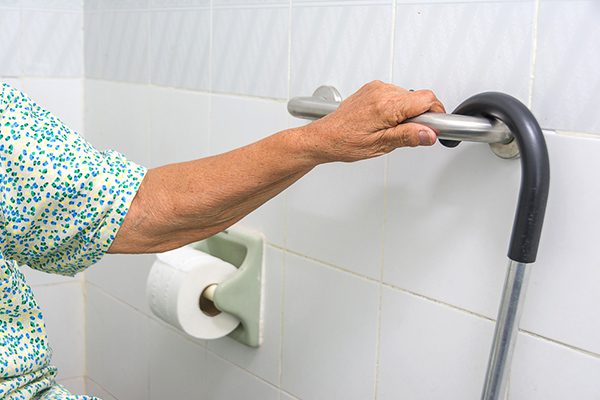
One-third of adults over the age of 65 experience a fall each year, with up to two-thirds of these falls taking place in and around the home. As highlighted by recent studies, appropriate home modifications are crucial in reducing fall risk and enhancing safety for seniors. These modifications could include installing grab bars and handrails in the bathroom, improving lighting around the home, and removing or securing loose items such as carpets and throw rugs. In addition to home modifications, it is also essential to ensure the safety and accessibility of seniors’ neighborhoods.
Safety Strategies for Aging in Place
For older adults who age in place, activities such as walking outdoors can produce anxiety due to concerns about sidewalk safety and corresponding fall risks. Therefore, it is crucial to make improvements in the outdoor environments as well. Other strategies include: using nightlights and non-slip bathmats, ensuring the maintenance of electrical items such as electric blankets to prevent house fires, and instituting laws for the stabilization of senior housing.
A home safety guide is an essential resource for families and caregivers of seniors. By following the steps and modifications mentioned in this guide, families can take a proactive approach toward improving their loved one’s quality of life. It is important to note that while home modifications for aging individuals do exist, they are often unknown or financially out of reach for those on a limited budget. Therefore, it is crucial to explore different options that can assist in funding home modifications.
By implementing these safety modifications and strategies in a home, elderly individuals can reduce their risk of falls and injuries, improve their overall health and well-being, and stay independent for longer. Additionally, it is essential to prioritize open lines of communication with healthcare professionals and family caregivers. These individuals can provide support and guidance to ensure the safety of older adults.
Prioritizing Home Safety
This guide for how to boost home safety for aging at home is essential. By prioritizing home safety, families can help encourage aging at home and improve the quality of life for their loved ones. Home safety modifications are essential for seniors to age in place safely and independently. Home modifications such as those stated above can drastically decrease the cost burden of healthcare for aging individuals by reducing functional limitations associated with chronic health conditions and preventing falls. Overall, it is essential to understand that there are numerous options and resources available for seniors and their families when it comes to home safety.