
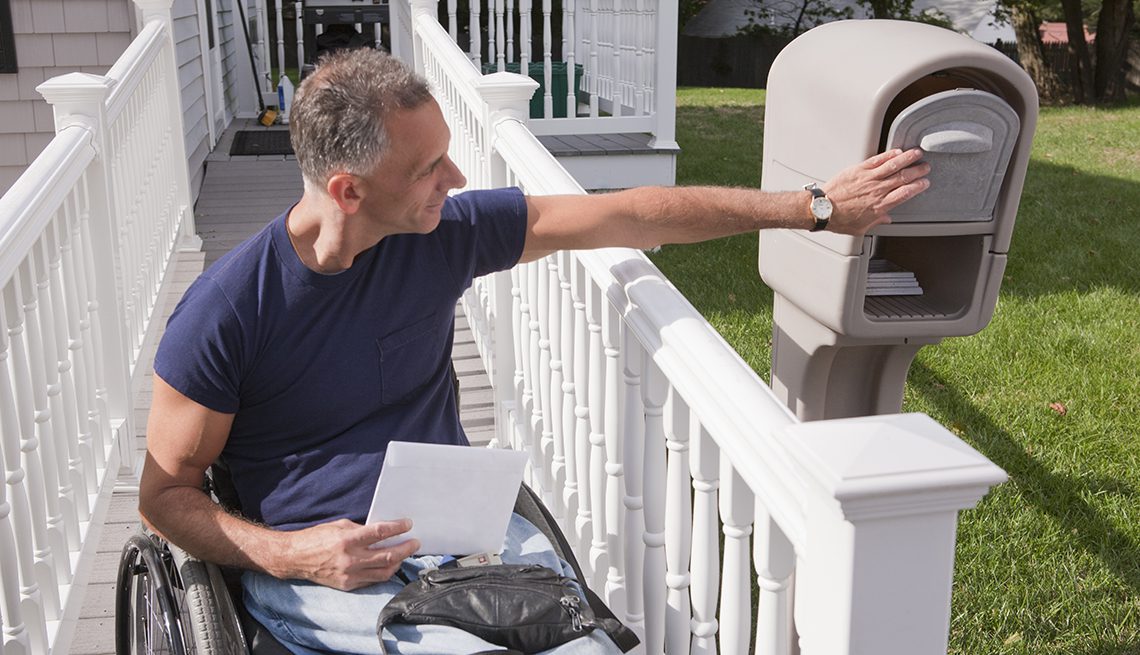
For disabled veterans, transitioning back to civilian life can be psychologically stressful. In addition, disabled veterans must face the challenges within their home. Thus, home modifications for disabled veterans is paramount. Not only will modifications improve their day-to-day life, they will certainly empower them to do more and feel safe.
Let’s delve into the significance of accessible home environments. We’ll also take a peek at government assistance programs, and outline actionable steps for critical modifications. By incorporating key terms such as “Realtor,” “Real Estate,” and “First Time Home Buyer,” we aim to shed light on the essential role of real estate professionals in the home modifications process for veterans.
The Critical Need for Accessible Homes
The Impact of Accessibility on Quality of Life
Accessibility directly influences veterans autonomy and ease of performing daily activities. Minor adjustments or major renovations can dramatically improve living conditions, eliminating physical barriers that limit mobility. This not only aids in fostering independence but also significantly enhances the overall quality of life for veterans and their families, making everyday tasks more manageable and less hazardous.
Essential Home Modifications for Enhanced Mobility
Home modifications for disabled veterans may vary widely. In fact, these home modifications may include everything from ramps and stairlifts to widening doorways and the addition of accessible bathroom fixtures. The sole purpose of facilitating mobility and ensuring the safety of veterans within their homes, is to reduce the risk of falls and other injuries. Such changes are not just about functionality but also about creating a space that feels truly like home, where veterans can live with dignity and comfort.
Government Assistance Programs and Grants
Navigating VA Specially Adapted Housing (SAH) Grants
The VA Specially Adapted Housing (SAH) grant stands as a pillar of support, offering financial assistance to disabled veterans for home construction, purchase, or modification projects aimed at improving accessibility. This grant represents a crucial aid in the journey towards creating a barrier-free living environment, providing substantial funds to cover the costs associated with necessary modifications. It is a testament to the nation’s commitment to its veterans, ensuring they have the resources needed to adapt their homes to their unique needs.
Exploring VA Special Housing Adaptation (SHA) Grant Opportunities
Complementing the SAH grant, the VA Special Housing Adaptation (SHA) grant focuses on aiding veterans with specific disabilities in acquiring or modifying homes to suit their needs. This grant underscores the importance of personalized adaptations, recognizing that each veteran’s requirements are unique and require tailored solutions. It is an invaluable resource for those looking to make their living spaces more accommodating and functional.
Leveraging Additional Government and Non-Profit Resources
In addition to VA grants, there are numerous government and non-profit programs dedicated to assisting disabled veterans in modifying their homes. These programs offer not only financial support but also guidance and resources to navigate the complexities of home adaptation projects. They embody a collective effort to ensure that veterans have access to the support and assistance they need to live comfortably and safely in their adapted homes, reflecting a broader societal commitment to their well-being.
Steps to Achieving Home Modification
The Importance of Comprehensive Needs Assessment
Before embarking on home modifications, conducting a thorough assessment of the veteran’s specific needs is essential. Collaboration with healthcare providers, occupational therapists, and experienced contractors can help. They identify the most impactful modifications, ensuring the home supports the veteran’s independence and safety effectively. This step is critical in creating a strategic plan. It addresses both current and future needs, laying a solid foundation for the modification process.
Engaging with Knowledgeable Real Estate Professionals
For veterans purchasing new homes requiring modifications, partnering with real estate professionals who understand their unique needs is key. Specifically, a Realtor experienced in accessible homes can significantly streamline the search for suitable properties. Additionally, they offer insights into features like “Maryland Homes for Sale” or “Waterfront property” that meet accessibility criteria. Their expertise can guide veterans through the complexities of the real estate market, effectively ensuring they find a home that can be fully adapted to support their needs.
Financing Home Modifications: What You Need to Know
Financing can often be a hurdle in the home modification process. Exploring options like the SAH and SHA grants, along with other financial assistance programs, is crucial. Additionally, veterans may benefit from “First Time Home Buyer” programs that offer further support. It’s important to research and utilize available resources to fund necessary modifications, ensuring the home is both accessible and affordable.
Miscellaneous Factor’s
Technology in Accessible Homes
Advancements in technology have opened up new possibilities for making homes more accessible for disabled veterans. Smart home technologies, such as voice-activated systems and lighting, enhance independence, allowing veterans to control aspects of their home environment. Integrating these technologies during the modification process can provide a layer of convenience, making daily life smoother and more enjoyable.
Prioritizing Modifications
It’s important to prioritize modifications that will have the most immediate impact on accessibility and safety. Focus on essential areas like bathrooms, entryways, and the kitchen to ensure they are fully accessible.
Consider Future Needs
When planning modifications, consider potential future needs. Anticipating changes in mobility or health can save time and resources, making the home adaptable to evolving needs.
Utilize Professional Services
For major modifications, hiring professionals with experience in accessibility projects is crucial. These experts can ensure that modifications meet all necessary regulations, providing peace of mind for veterans and their families.
Conclusion
Turning homes into accessible spaces honors veterans’ service and supports their freedom. Government grants and expert real estate help enable this transformation. Veterans can thus tailor their living spaces. Experienced Realtors and specialized contractors significantly impact veterans’ lives. We must recall the value of accessibility and the resources ensuring veterans live comfortably and safely.