
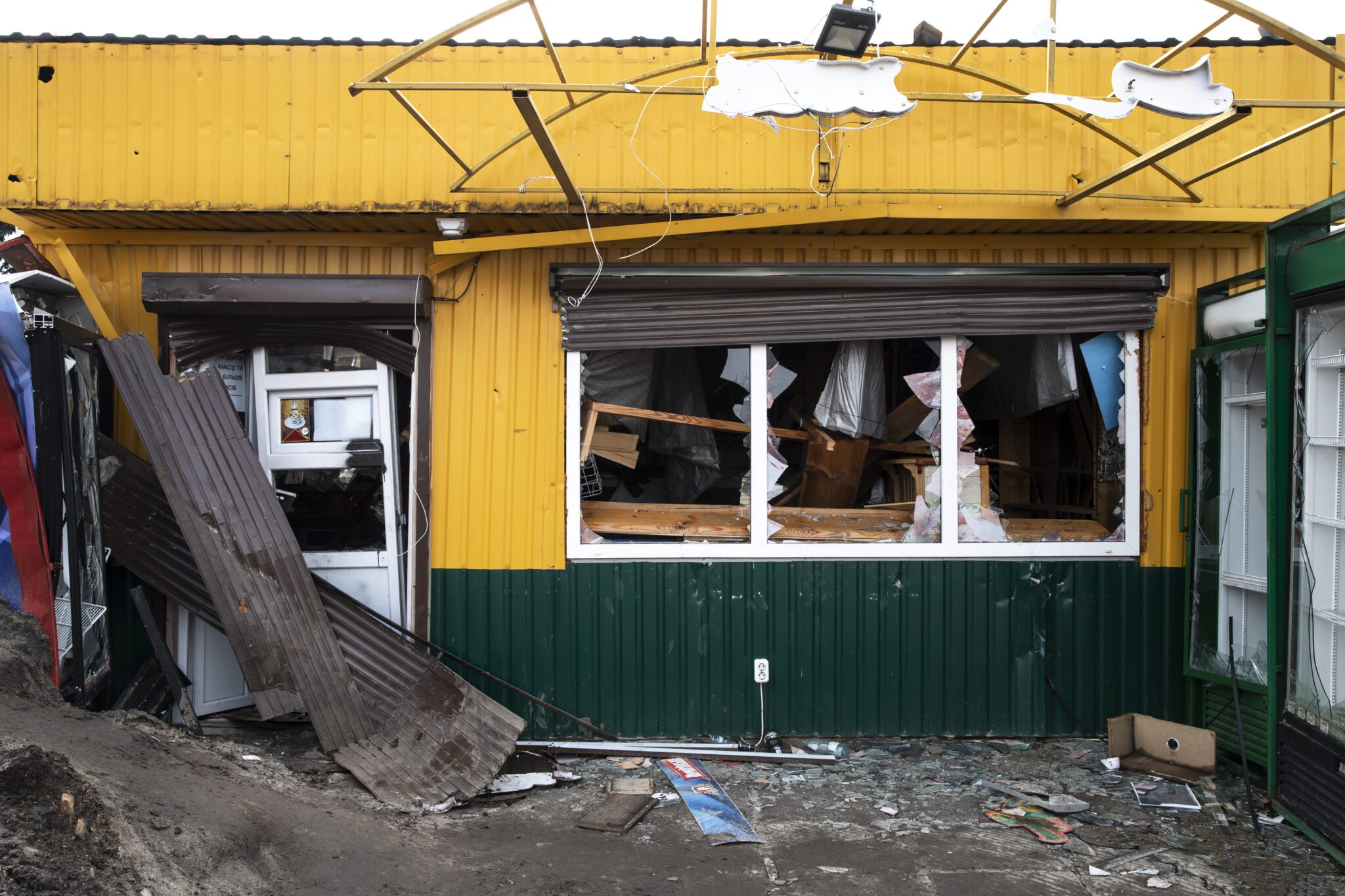
Waterfront properties offer stunning views and unique living experiences, but they also face elevated risks during hurricane season. These risks make it essential for homeowners to have a reliable plan in place before severe weather strikes. Preparing your property for hurricane season with a complete hurricane preparedness checklist specifically for waterfront properties can minimize damage and ensure safety. Homes near large bodies of water are particularly vulnerable to high winds, storm surges, and flooding. Taking the right precautions can help protect both your home and your investment, providing peace of mind as the storm season approaches.
Understanding Hurricane Risk for Waterfront Properties
Waterfront homes are more exposed to hurricanes due to their proximity to water. Properties along the Chesapeake Bay and Maryland’s coastline are especially susceptible to the impacts of high winds, storm surges, and flooding. The force of a hurricane can erode shorelines, damage structures, and wash away large sections of land.
Storm surges present one of the greatest dangers to waterfront properties. These surges are abnormal rises in sea level caused by hurricanes pushing ocean water inland. When combined with heavy rainfall, storm surges can lead to severe flooding and significant property damage. Hurricane winds also send debris flying at high speeds, damaging windows, roofs, and other parts of the home.
Even homes located slightly inland can be affected by the combination of heavy rainfall and rising water levels. Low-lying areas near rivers, streams, or marshlands may also experience flooding. Understanding the risks specific to your waterfront property helps you take proactive steps toward safeguarding it from hurricane forces.
Create a Comprehensive Evacuation Plan
It is essential to evacuate safely before a hurricane hits, especially for waterfront property owners. Because these homes face dangerous flooding and storm surges, having a clear plan ensures that you and your family can leave quickly.
A good evacuation plan includes several components:
- Identifying local evacuation routes and shelters
- Monitoring local weather alerts and warnings
- Packing an emergency kit with medications, water, and important documents
- Arranging a safe place to stay, such as a friend’s home or hotel inland
You should also account for pets in your evacuation plan and prepare for elderly family members or individuals with special needs. Plan how to evacuate early, since roads may become impassable due to flooding. If your home includes boats or docks, secure watercraft or move them inland before the storm.
Secure Windows, Doors, and Roofing
Securing the structural integrity of your waterfront home is vital when preparing for a hurricane. High wind speeds put your property at risk, making windows, doors, and roofs the most vulnerable points of the home.
Here are several key steps to strengthen your property:
- Install storm shutters or impact-resistant windows to guard against debris
- Use heavy-duty bolts or braces to secure exterior doors
- Check your roof for loose shingles and secure them with hurricane straps or clips
- Clear gutters and drains to prevent water damage
- Install secondary waterproof barriers under your roof to prevent leaks during the storm
These steps will reduce potential damage from wind and water, and they should be taken before hurricane season begins. Regular maintenance and reinforcing these vulnerable areas make your home more resilient to storms.
Prepare Your Property’s Exterior
The exterior of a waterfront property requires special attention during hurricane season. Without proper maintenance, landscaping and outdoor items can become dangerous projectiles in strong winds.
Steps to secure your property include:
- Trimming trees and shrubs to reduce the chance of broken branches hitting your home
- Securing or storing outdoor furniture, grills, and other loose items
- Using tie-downs or securing sheds and other structures
- Firmly securing any boats or docks to avoid dislodgement during the storm
- Placing sandbags or storm surge barriers around areas prone to flooding
Regularly inspect your property’s foundation for signs of erosion. Ensure proper drainage systems are in place to avoid flooding. These simple steps can help protect your home from exterior damage during a hurricane.
Install a Backup Power System
Power outages often follow hurricanes, and waterfront properties may face longer delays in power restoration due to their location. Having a reliable backup power system in place ensures you stay connected and keep essential systems running during the storm.
Here are some tips for backup power:
- Choose a standby generator that activates automatically when the power goes out
- Stock enough fuel to last several days in case of extended outages
- Place generators in a well-ventilated area to prevent carbon monoxide buildup
- Use surge protectors to shield appliances from electrical surges when power returns
Also, keep battery-powered devices such as flashlights, radios, and chargers nearby. A backup power system gives you peace of mind and helps maintain essential functions until power is restored.
Elevate Critical Systems in the Home
Waterfront properties are prone to flooding, so it’s important to elevate critical systems. Elevating electrical systems, heating and cooling units, and appliances can prevent major water damage during a hurricane.
Some systems to elevate include:
- Electrical panels and wiring
- HVAC systems and water heaters
- Major appliances like washers, dryers, and refrigerators
If you’re building or renovating, consider elevating the entire home. Properties built on stilts or elevated platforms reduce the risk of catastrophic flood damage. For homes already in place, sump pumps and flood-resistant materials can protect lower levels from flooding.
Review and Update Insurance Coverage
Insurance is one of the most important factors in hurricane preparedness. Standard homeowners’ insurance policies often don’t cover flood damage, which is common during hurricanes. Reviewing your insurance ensures you have the proper coverage in place.
Key considerations include:
- Purchasing flood insurance if it’s not included in your standard policy
- Ensuring your coverage limits reflect the current value of your home and belongings
- Documenting your property and possessions with photos and receipts for easier claims
Talk to your insurance agent about additional coverage options for wind damage or debris removal. Reviewing your insurance regularly guarantees you’re fully covered in the event of a hurricane.
Going Forward
For waterfront property owners, preparing for hurricanes is crucial. By understanding the risks, securing your home’s structure, and updating your insurance, you reduce the chance of significant damage when a hurricane strikes. Following this checklist will help you protect your property, family, and investment during hurricane season.